Mobile App Development in Lebanon
Applications for education, business, and public-sector services.
Apps people keep, not apps people install once
Strawberry Agency designs and develops mobile apps in Lebanon, from Jounieh - for private-sector clients and public-sector programmes across the region, spanning education software through to business tools.
The hard part of an app is almost never the code. It is deciding what it is for. Most failed apps were built to specification and shipped on time; they simply answered a question nobody was asking, or duplicated something a website already did better. So the first thing we do with an app brief is test whether it should be an app at all - and we have talked clients out of building one.
When it should be an app, we build it to be used daily: fast, legible, working on the phones and connections your audience actually has, and maintained after launch rather than abandoned at it.
“Apps that people love to use, fitting seamlessly in all walks of life.”
- DiscoveryProblem definition, user research, feature scoping, build-or-not recommendation
- DesignInterface and interaction design, prototyping, accessibility
- BuildiOS and Android delivery, back end, integrations and APIs
- ReleaseStore submission, review handling, staged rollout
- SupportMonitoring, updates, OS-version maintenance and iteration
- SectorsEducation, business, public sector and private services
What an app engagement covers
Discovery and definition
Who uses it, what job it does, what the first version must contain and what it must not. Ends with a recommendation - including, sometimes, that a web app is the better answer.
Product and interface design
User flows, prototypes and interface design for real devices and real hands, tested before development spends money on the wrong thing.
Development
iOS and Android delivery with the back end, database and integrations the app depends on. Built to be handed over, not to lock you in.
Integration
Connecting to the systems that already exist - payment, membership, registration, CRM or internal tools - rather than forcing a parallel set of data.
Release
Store listings, screenshots, submission and review handling for both stores, plus staged rollout where risk warrants it.
Maintenance
OS updates break apps on a schedule nobody controls. Monitoring, fixes and iteration keep it working past launch month.
How an app gets built
Define the job before the feature list. A feature list is a solution pretending to be a brief. We write down the job the app does for the person using it, and everything gets tested against that.
Prototype before building. Interaction problems are cheap to find in a prototype and expensive to find in code. We put something in hands early, even when it is rough.
Ship a real first version. Not a feature-complete version - a genuinely useful one. Apps that wait for everything tend to launch late, to an audience that has moved on, with no evidence about which features mattered.
Then maintain it. An unmaintained app degrades: OS updates, device sizes, API changes and store policy all move. Budget for the year, not the launch.
Discovery
Problem, users, scope and a recommendation on whether an app is the right vehicle at all.
Design and prototype
Flows, interface and a testable prototype validated before development begins.
Build and test
Development across platforms, integration with existing systems, testing on real devices.
Release and iterate
Store submission, rollout, monitoring, and a maintenance cycle rather than a handover and silence.
Where this sits in the work
Education software
Applications built for education and training contexts, where the users are not choosing the tool and it therefore has to be obvious without instruction.
Business tools
Internal and customer-facing tools for companies in both the private and public sectors.
Event platforms
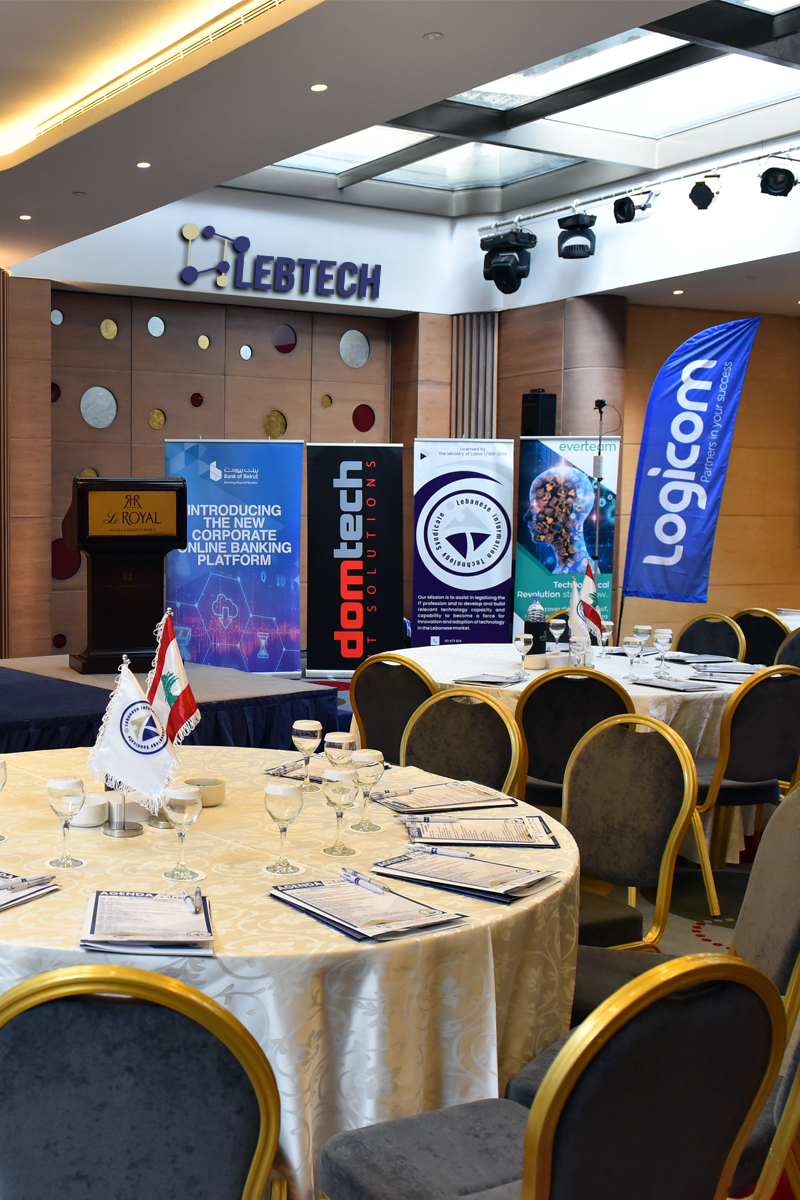
Registration, programme and delegate tooling for events including LEBTECH - built alongside the event management team running the floor.
Member services
Digital services for syndicates and associations - LITS, LACPA and LOPT among the institutional relationships behind this work.
More of the work
Production credits and project detail across sectors and years. Browse projects.
Working with us
Do we actually need an app?
Often not. If the job is information, booking or a form, a fast mobile website reaches more people at a fraction of the cost and needs no install. Apps earn their keep when they need offline use, device hardware, notifications, or genuinely repeat daily use. We will say so at discovery rather than after you have paid for a build.
iOS, Android, or both?
Decided by where your users are, not by default. Lebanese audiences are meaningfully split, so most consumer projects need both; an internal tool for a known device fleet may need one. Cross-platform frameworks cover many cases well and cost less to maintain - we will recommend based on what the app does.
How long does it take?
A focused first version is typically three to five months from discovery to store. Complex integrations with existing systems extend that. Store review itself adds days to weeks and is outside anyone’s control, so we plan submission with margin.
What happens after launch?
Maintenance, and it is not optional. OS releases, new device sizes, API deprecations and store policy changes all break working apps eventually. We offer ongoing support; clients who decline usually return within the year.
Who owns the code?
You do. Source code, repositories, store listings and back-end infrastructure are yours, transferred on completion. You are not required to stay with us to keep your own product running.
Start with the problem, not the app.
Tell us who the user is and what job they need doing. We will come back with a scope, a platform recommendation, a timeline and a cost - including an honest answer if a website would serve you better.